Paperclip v2026.626.0: run more agents, babysit them less
Hermes is now built in, watchdogs watch long-running tasks for you, and ask mode gets you answers without a workflow. 122 commits from 17 contributors.


Paperclip v2026.626.0 is out: 122 commits from 17 contributors. The release pushes in two directions at once. It widens what Paperclip can run, with Hermes now built in and a new work mode for question-shaped tasks. And it makes long-running work easier to trust, with watchdogs that review stalled tasks so you don’t have to.
Hermes is built in
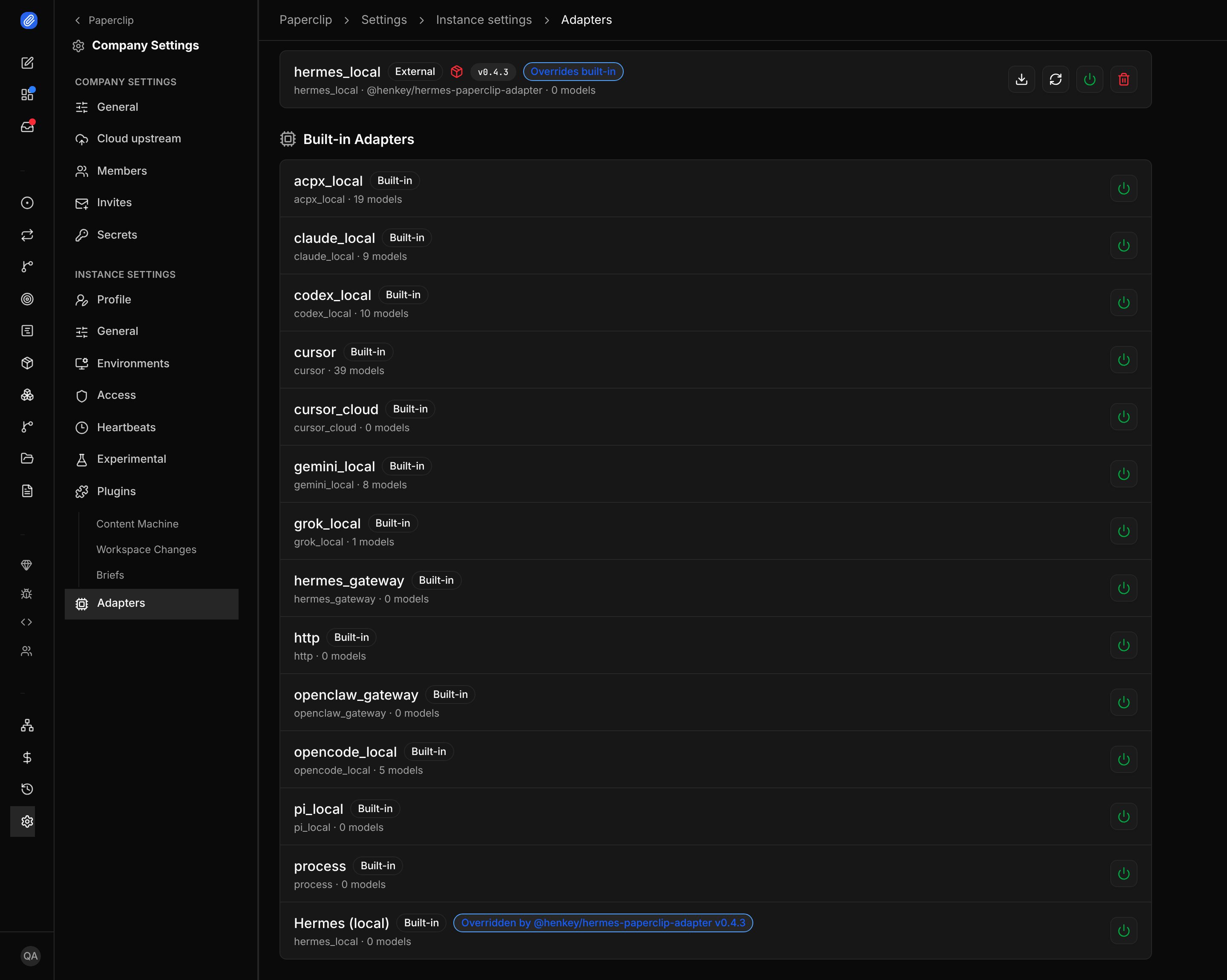
Hiring a Hermes agent used to start with a plugin install. Now two Hermes adapters ship with Paperclip: hermes_local runs the runtime on your Paperclip host, and hermes_gateway sends work to a Hermes install on another machine through an HTTP gateway. Both appear in the adapter dropdown when you hire; the gateway flavor asks for a gateway URL and API key, with the key handled as a secret from the first keystroke.
External Hermes packages still work. If you carry a patched or pinned version, it overrides the built-in, and the Adapter Manager shows exactly which package is shadowing what. The deep dive on choosing between local and gateway is in the Adapter Manager guide.
Watchdogs babysit the task for you
The trust problem with long-running agent work is not what agents do, it is what they quietly stop doing. Until now the fix was a human checking threads.
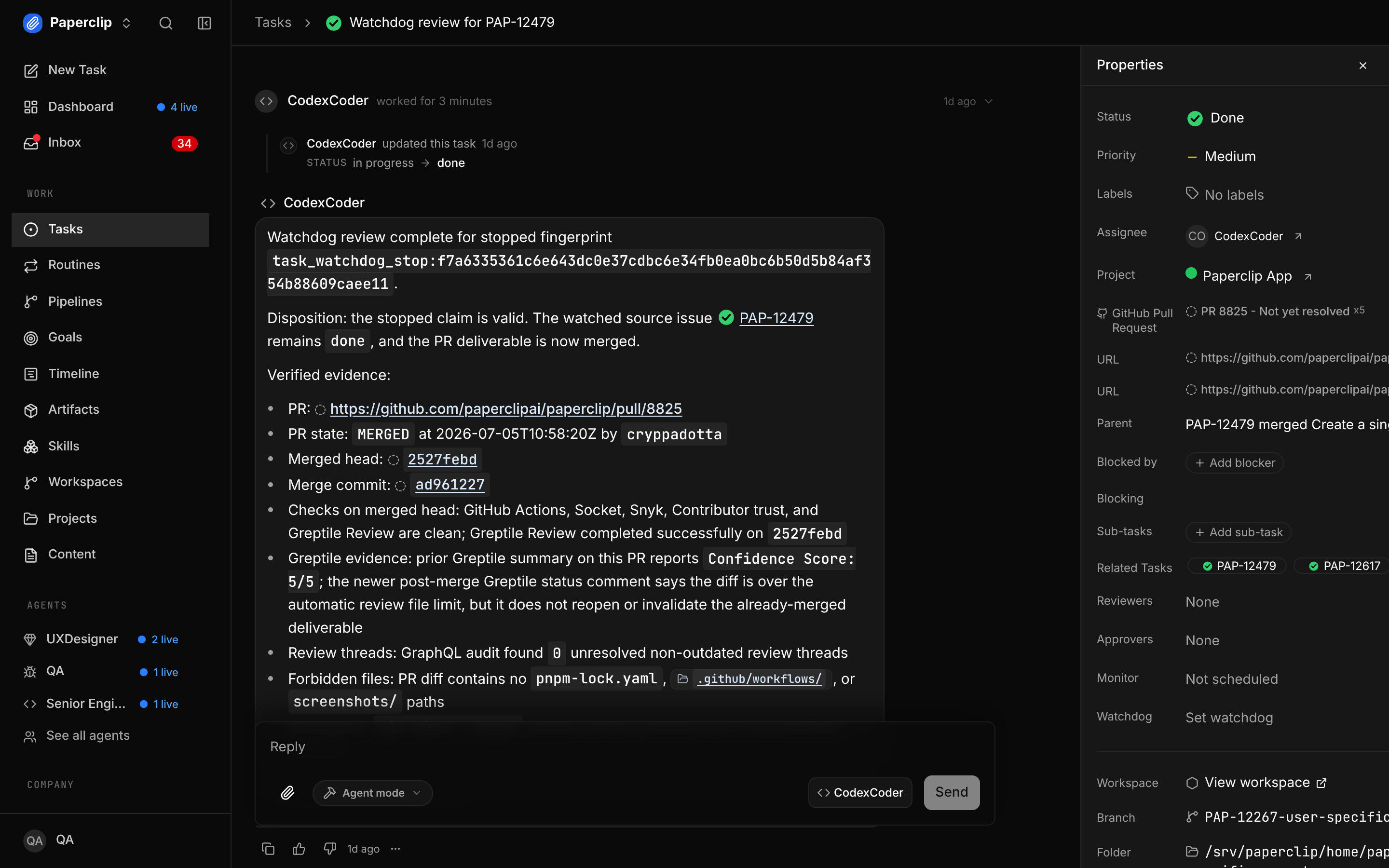
Watchdogs codify that vigilance. Attach one to a task by picking an agent and writing instructions, in the product’s own words: what should the watchdog watch for, and how should it keep work moving? When the task’s subtree stops, Paperclip opens a review task for the watchdog agent, and its findings land in the issue thread. A fingerprint of the reviewed state means the same stall gets reviewed once, not on every scan.
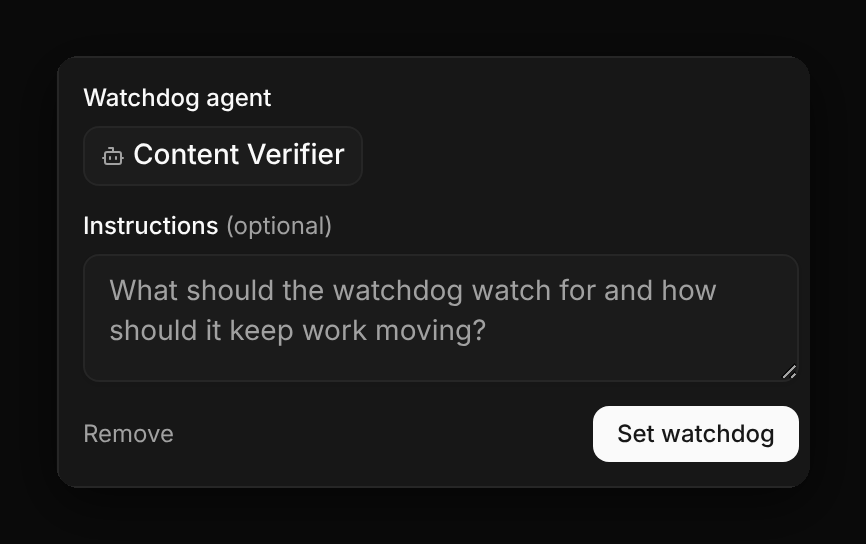
Concretely: give a migration task a watchdog with “verify each completed subtask produced a merged PR; if anything sits blocked more than a day, escalate to the CTO.” Then close the tab. If the work stalls, the watchdog reads the state, acts on the instructions, and the thread records what it found. The watchdog guide covers the concept and setup.
Ask mode: answers without a workflow
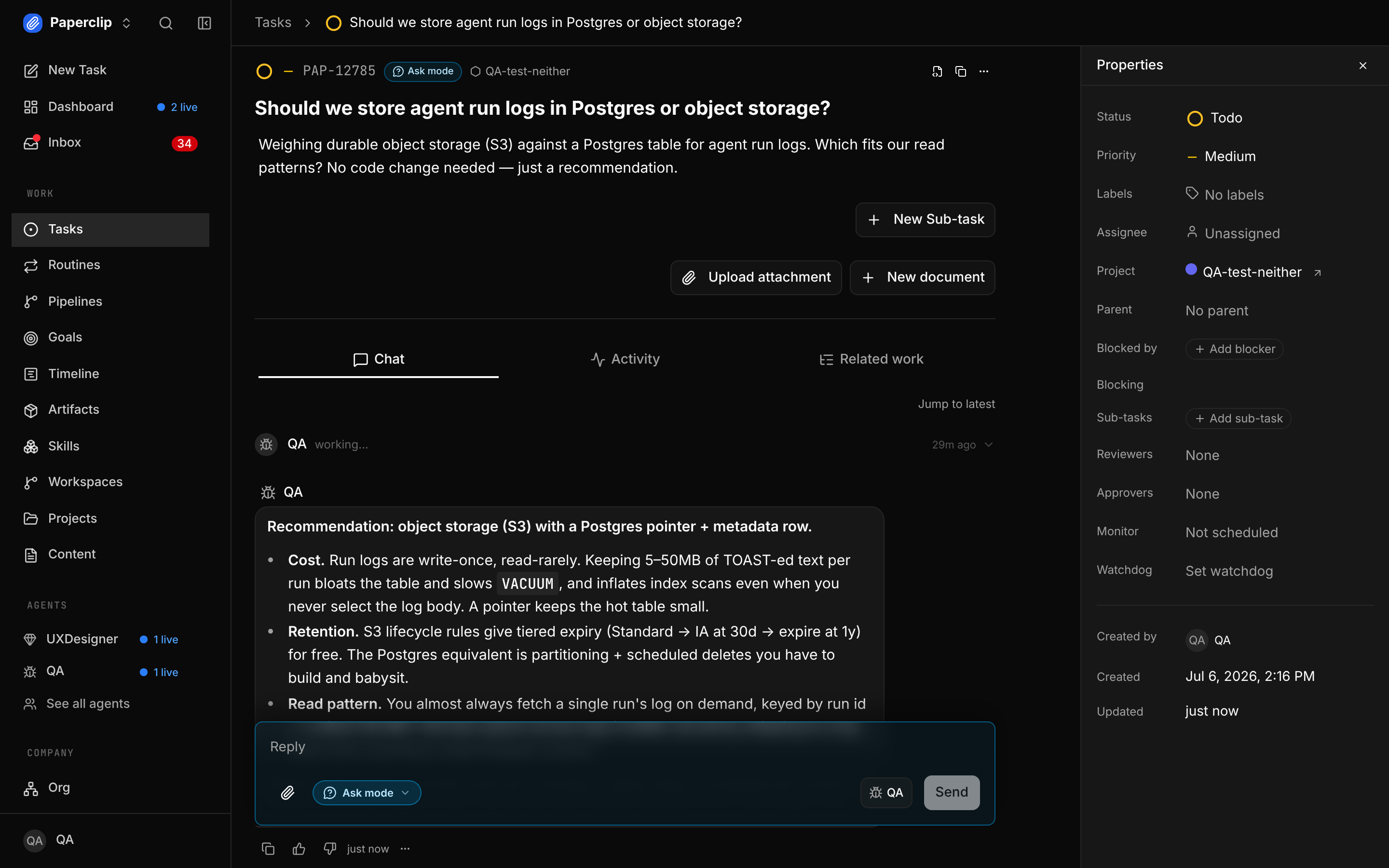
Not every task is a project. Ask mode marks a task as a question, and the agent answers directly in the thread: no checkout, no workspace, no implementation plan. Lookups, comparisons, and judgment calls stop paying execution-workflow overhead. More in the work modes guide.
Your files, out of the workspace
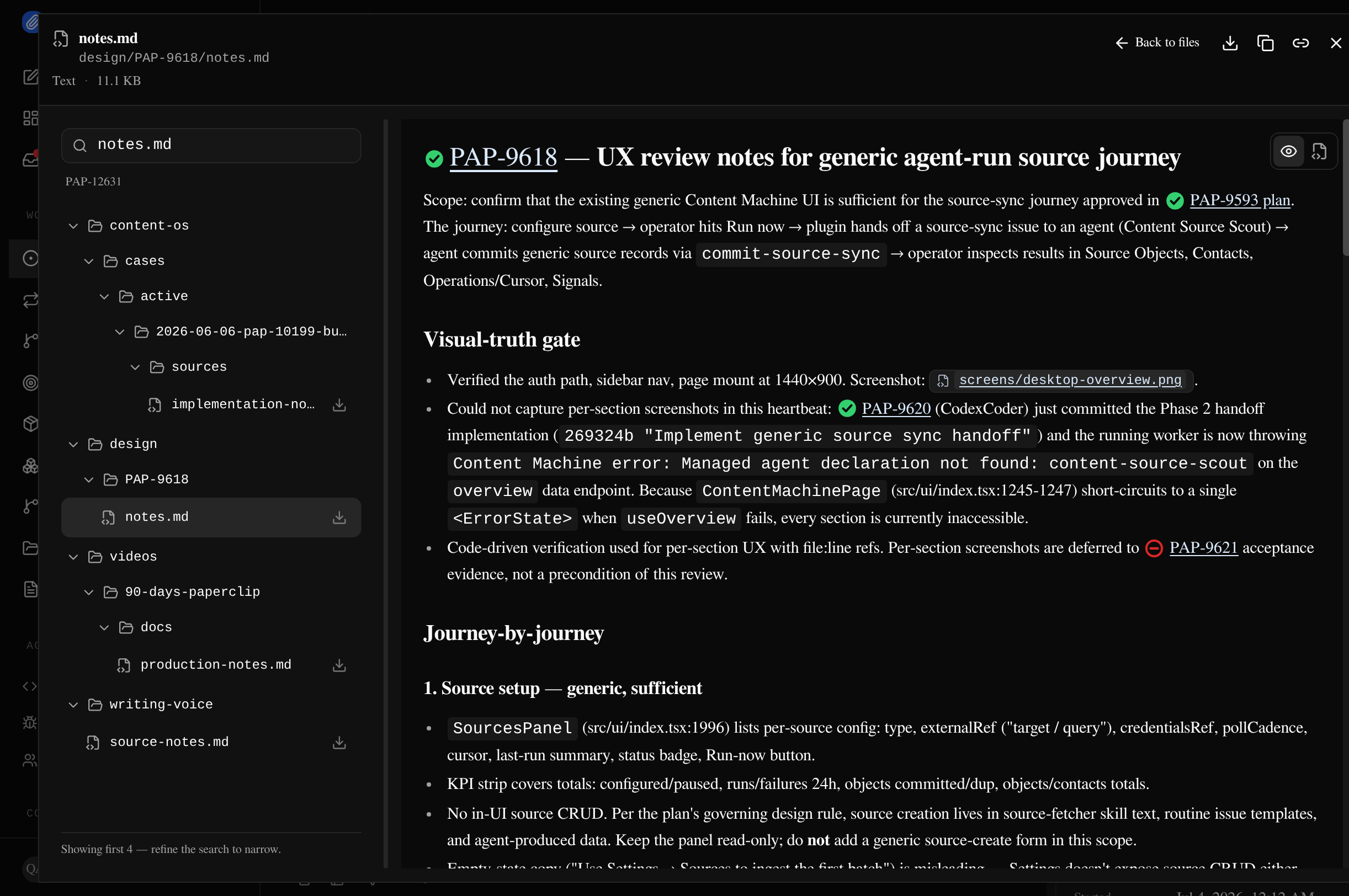
Agent work products used to live where the agent left them. Now the issue page includes a workspace file browser with previews and downloads, so the report an agent wrote is one click from your machine. URLs mentioned in tasks also become tracked external object references with live status badges. The file viewer guide explains the preview and download flow.
The polish batch
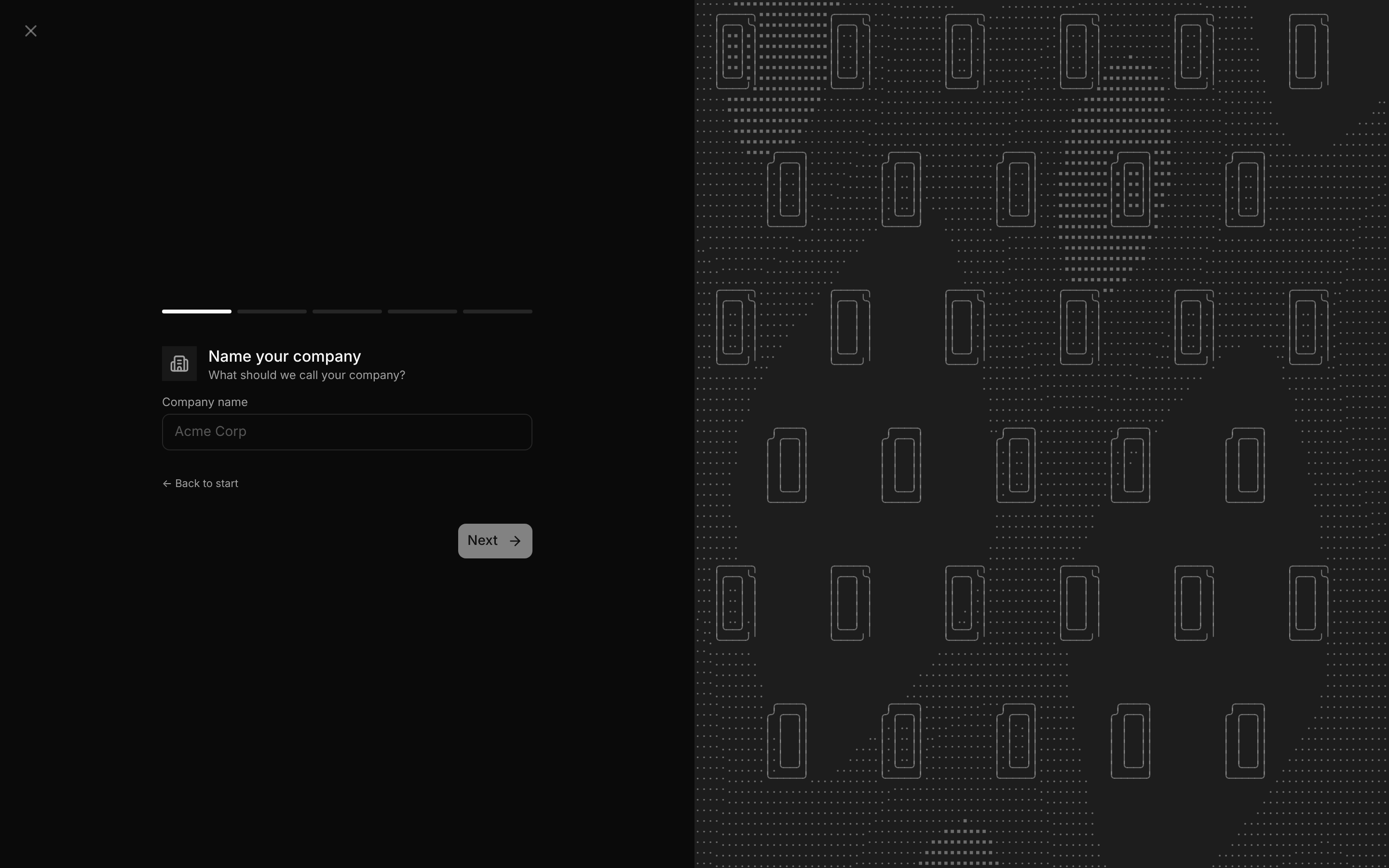
The rest of the release is quality: onboarding was reworked and the classic wizard retired, task statuses got clearer icons and colors, sandbox runtime status is easier to see, and the codex, claude, cursor, and gemini adapters picked up reliability fixes. Governance hardened too, with a skills:create permission gate and heartbeat preflight budget caps that stop overspend before a run starts rather than after.
The thread through it
Every runtime added, every check codified, every file surfaced follows the same philosophy: orchestration, not framework lock-in. Paperclip’s job is to run your agents, whatever they are built on, and to make their work inspectable. This release does both.
Full details in the release notes. Upgrade, hire a Hermes agent, and give your longest-running task a watchdog.